Source Lip Liner Pencil for Lips, Eyes, and Makeup
Find 30 lip liner pencil options for cosmetic sourcing. Compare materials like ABS and plastic, certifications including ISO and GMPC, and customization features such as logo printing and OEM services for your beauty brand needs; compare the available evidence and request quotations based on your requirements.
Key considerations
Products List


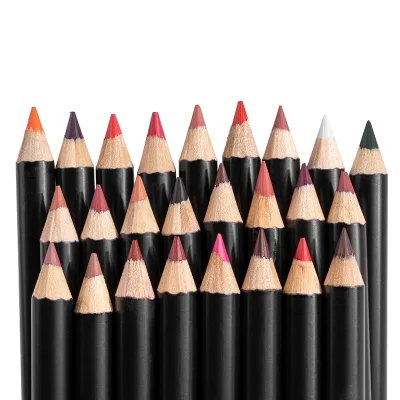
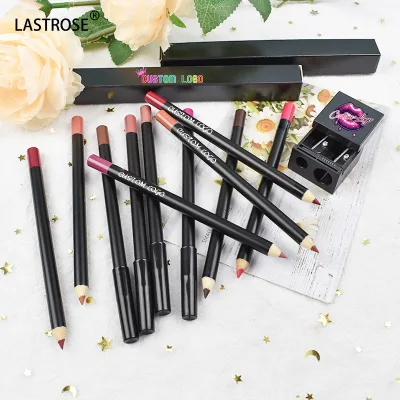
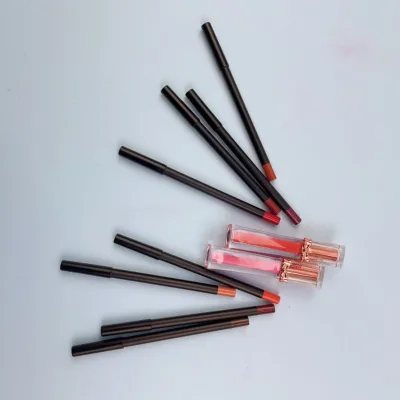


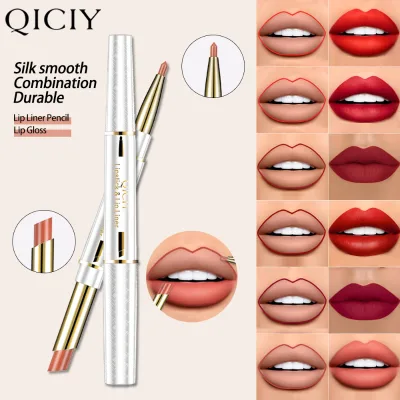
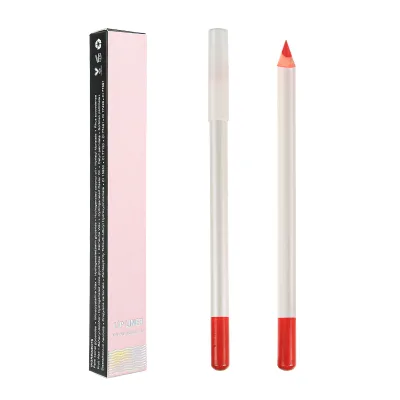


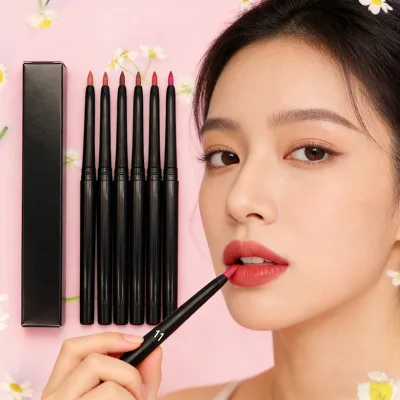
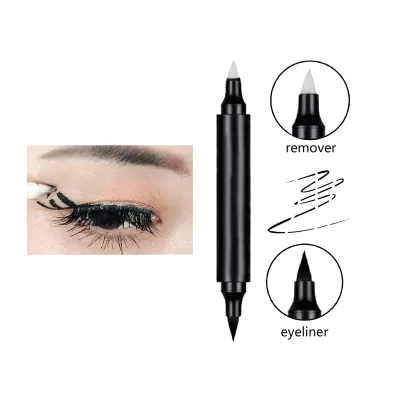

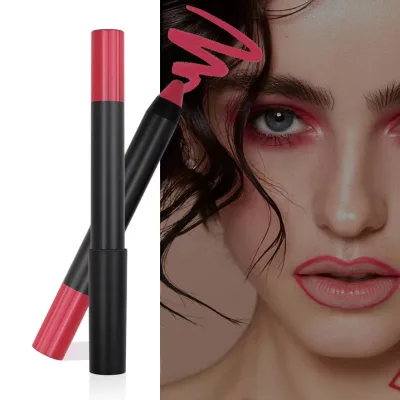


Comprehensive Sourcing Guide
Lip Liner Pencil Sourcing Guide
Sourcing lip liner pencils requires a nuanced understanding of both the cosmetic formulation and the packaging mechanics, as these products sit at the intersection of personal care and industrial manufacturing. Buyers must distinguish between the actual cosmetic product, which involves complex chemical formulations for color and longevity, and the applicator tools or packaging components that may also be listed under similar search terms. The market offers a wide variety of options, ranging from traditional wax-based pencils to liquid applicators and specialized glue pens, each serving different aesthetic and functional purposes for end-users.
Procurement teams should begin by clearly defining whether they are sourcing the finished cosmetic good or the raw materials and tools used in its production. This distinction is critical because the regulatory requirements, quality control protocols, and supplier qualifications differ significantly between a formulated cosmetic product and a plastic applicator or packaging component. Clarifying this intent early in the sourcing process helps in filtering out irrelevant listings and focusing on suppliers who possess the specific expertise and certifications required for the intended product category.
Product Scope and Observed Listing Signals
The observed market signals indicate a diverse range of products associated with lip liner terminology, including items explicitly labeled as lip liner pencils, eye shadow applicators, and even cosmetic glue pens. Some listings highlight specific models such as F-078, E-833, and E-805, while others describe products with attributes like "Vegan" material or "Matte" finish. This variety suggests that buyers may encounter a mix of actual cosmetic pencils and related applicator tools, necessitating careful verification of the product's actual nature and intended use before proceeding with any order.
Attributes such as "Long Lasting Water Proof" and "Single-Color" suggest a focus on durability and specific aesthetic outcomes, which are key selling points for consumers. However, the presence of listings for non-disposable items and customized packaging indicates that some suppliers may be offering bulk packaging solutions or reusable applicators rather than the consumable pencil itself. Buyers must scrutinize product descriptions to ensure they are acquiring the correct item, paying close attention to details like "Main Ingredient" lists and "Form" specifications to avoid misalignment between expectations and delivery.
Technical Specifications to Verify
Technical verification should start with the physical dimensions and packaging standards, as these impact storage, shipping, and retail presentation. Listings provide specific standard measurements such as 47x35x40 cm for carton sizes and single package dimensions like 15x2x2 cm, which are essential for calculating logistics costs and warehouse space requirements. Buyers must confirm whether these dimensions apply to the individual pencil unit or the bulk shipping carton, as confusion between the two can lead to significant errors in supply chain planning and inventory management.
The formulation and material composition of the pencil itself are equally critical technical aspects that require detailed verification. Specifications mention materials like ABS plastic and vegan components, alongside attributes such as "Matte" finish and "Mineral, Herbal" main ingredients. Buyers should request detailed technical data sheets that specify the exact wax-to-oil ratio, pigment concentration, and binding agents to ensure the product meets performance expectations for smooth application and color payoff. Additionally, verifying the shelf life, often cited as 36 months, and the period after opening (PAO) of 12 months is crucial for managing inventory turnover and minimizing waste.
Compliance and Safety Documentation
Compliance with international safety standards is non-negotiable for cosmetic products, and buyers must ensure that suppliers provide comprehensive documentation to verify product safety. Certifications such as ISO, GMPC, MSDS, FDA, and GMP are frequently mentioned in listings, indicating a baseline level of regulatory adherence. However, buyers should not assume that all listed certifications apply to every product variant; instead, they must request specific certificates of analysis and compliance for the exact model and batch being procured to ensure that the product meets the regulatory requirements of the target market.
The presence of safety data sheets (MSDS) and material safety data is particularly important for understanding the chemical composition and handling requirements of the lip liner. Buyers should verify that the supplier has conducted appropriate toxicological assessments and that the product is free from prohibited substances in the destination country. Additionally, understanding the manufacturing environment's adherence to Good Manufacturing Practices (GMP) helps ensure that the product is produced in a clean, controlled setting, reducing the risk of contamination and ensuring consistent quality across batches.
Cost Drivers and Commercial Terms
Cost structures for lip liner pencils are influenced by several factors, including the complexity of the formulation, the quality of raw materials, and the level of customization required. Listings indicate a wide price range, from $0.13 to $1.83, reflecting the diversity in product types and quality levels. Buyers should analyze this range in the context of the specific product attributes, such as vegan ingredients or waterproof formulations, which may command a premium due to higher material costs or more complex manufacturing processes.
Minimum Order Quantities (MOQs) vary significantly, with observed ranges from 10 to 12,000 pieces, impacting the initial investment and cash flow requirements. High MOQs, such as 10,000 or 12,000 pieces, are common for customized products, reflecting the setup costs for branding and packaging. Buyers must negotiate terms that align with their sales forecasts, considering whether they can absorb higher per-unit costs for lower MOQs or if they can leverage volume discounts by committing to larger orders, while also factoring in storage costs and shelf life limitations.
Supplier Qualification and Quality Control
Supplier qualification involves a thorough assessment of the manufacturer's capabilities, including their production capacity, quality management systems, and track record in the cosmetic industry. Buyers should verify that the supplier has a dedicated quality control team that conducts regular inspections of raw materials, in-process production, and finished goods. This includes checking for consistency in color, texture, and application performance, as well as ensuring that the packaging is secure and protects the product from damage during transit.
Customization capabilities, such as logo printing and OEM/ODM services, are key differentiators for many suppliers, allowing brands to create unique products that stand out in the market. Buyers should evaluate the supplier's ability to handle custom formulations and packaging designs, ensuring that they can meet specific branding requirements without compromising product quality. Additionally, assessing the supplier's responsiveness and communication skills is essential for maintaining a smooth procurement process and addressing any issues that may arise during production or delivery.
Long-Term Procurement Checks
Long-term procurement success depends on establishing a robust relationship with suppliers that includes regular performance reviews and continuous improvement initiatives. Buyers should implement a system for tracking supplier performance metrics, such as on-time delivery rates, product quality consistency, and responsiveness to issues. This data-driven approach allows buyers to identify potential problems early and work with suppliers to implement corrective actions, ensuring a stable and reliable supply chain over time.
As market trends and consumer preferences evolve, buyers must remain agile and open to adapting their sourcing strategies. This may involve exploring new suppliers, negotiating better terms, or introducing new product variants that align with emerging trends, such as vegan or sustainable formulations. Regularly reviewing the product portfolio and market feedback helps buyers stay competitive and meet the changing needs of their customers, ensuring that their lip liner pencil offerings remain relevant and desirable in the long run.
FAQs
What certifications do the lip liner pencil suppliers hold?
Suppliers offer products certified under ISO, GMPC, MSDS, FDA, and GMP standards. These certifications ensure the cosmetic glue pen meets international safety and quality requirements for industrial use in the cosmetics sector.
Can I request a customized logo on the lip liner pencil?
Yes, customized logo printing is available for this cosmetic glue pen. The OEM and ODM services are highly welcomed, allowing buyers to personalize the product with their own branding while maintaining the specified model features.
What is the minimum order quantity for the lip liner pencil?
The minimum order quantity ranges from 10 to 12,000 pieces depending on the specific model selected. Some listings indicate a standard MOQ of 10,000 units, while others may require up to 12,000 pieces for full customization.
How long is the shelf life of the lip liner pencil?
The product has a shelf life of 36 months when stored properly. This ensures the mineral and herbal ingredients remain effective for a significant period, making it suitable for long-term inventory management by cosmetic brands.
Where are the lip liner pencil manufacturers located?
Manufacturers are located in China, specifically in the Henan province. These factories produce the cosmetic glue pen using materials like ABS and plastic, ensuring efficient logistics and competitive pricing for international buyers.
What packaging options are available for the lip liner pencil?
Products are packed in cartons with additional waterproof protection to ensure safety during transit. The standard packaging dimensions are 47x35x40 cm per box, designed to protect the single-color or multi-color variants effectively.